If you've got ever watched a tech set a windshield, you word the quiet choreography. One adult lays a sparkling bead, a further steadies the glass, and then there may be a pause at the same time each person presents that adhesive the honour it merits. That pause isn't always superstition. It is chemistry, mechanics, and defense converging at the seam among glass and metallic. When automobile glass replacement is performed neatly, adhesives are the big difference among a windshield that turns into a structural accomplice and a panel that will pop free for the time of a crash.
This is a deep look at what holds that glass in area, why modern-day adhesives count, and how small information in surface prep, remedy occasions, and environmental conditions opt no matter if your windshield replacement will function the means the auto’s engineers intended.
What your windshield truthfully does
Windshields moved from beauty to structural a long time in the past. The glass you notice is laminated security glass, two sheets with a polyvinyl butyral interlayer, bonded to the frame with a high-power adhesive. In a frontal collision, the windshield supports tie the entrance pillars together, moderates roof weigh down, and supports airbag deployment. On many cars it contributes 20 to 30 p.c of roof capability at some point of a rollover. For airbags to do their task, the glass must no longer blow out. That is dependent on adhesive integrity greater than the thickness of the glass itself.
With frameless edges on many leading-edge cars, there may be no bulky rubber gasket to cradle the glass. The bead of adhesive turns into the body. If you are identifying a store for auto glass, you are not just procuring glass. You are deciding to buy procedure.
What precisely is that “glue”?
Nearly all leading-edge automobile glass alternative hinges on moisture-curing polyurethane, broadly speaking shortened to PU or urethane. There are outliers, like silicones and acrylics for strong point makes use of, and some legacy butyl applications on old autos. For avenue-going motors developed within the ultimate 25 years, urethane legislation since it blends a unprecedented set of homes: it sticks to prepared glass and painted metallic, it flexes as the physique twists, it resists water and street chemical compounds, and it retains energy throughout warm and chilly.
A urethane adhesive is a prepolymer with reactive isocyanate agencies that hyperlink into lengthy chains whilst uncovered to moisture inside the air or a primed surface. That polymerization builds a crosslinked community. The last subject material is a enterprise elastomer that actions just a little without tearing, like a robust rubber with a high tear resistance.
Viscosity issues. Cartridge and sausage-percent adhesives are available in workability grades. A low viscosity flows less complicated for technicians who hand gun beads. A better viscosity resists stoop on scorching days. The desirable choice additionally relies on the bead geometry the vehicle calls for, considering the fact that the bead have got to carry a structure lengthy ample to fortify the glass at design height sooner than medication.
Primer, activator, and that black band at the glass
Bonding is a surface business. A urethane bead cannot attain its rated electricity except it meets a clear, chemically well matched floor. That is in which approaches change standalone merchandise. Most authentic setups involve:
- A glass purifier or decontaminant to get rid of silicone, oils, and dust A wipe-on activator for the ceramic frit band at the glass A primer for any bare steel or small paint scratches at the pinchweld
That black border baked onto the glass, the frit, protects in opposition to UV and creates a rougher surface for more suitable adhesion. The activator interacts with that frit, adding silane chemistry that promotes adhesion. On the physique, the most beneficial apply is to trim the antique urethane to a skinny, uniform “complete cut” layer, not to scrape to bare metallic unless rust or body smash demands it. Fresh urethane bonds to the cured, trimmed urethane more effective than it bonds to paint. If the technician by accident nicks the paint down to metallic, a corrosion-inhibiting primer should seal that spot before the hot bead goes on.
Skipping primers looks best for a day or a month. Then winter hits, water creeps where it will have to no longer, and you get rust, wind noise, or a bead that detaches lower than pressure. The technology is discreet: adhesives love consistency and fresh surfaces. Every exception becomes a destiny leak.
Two clocks: dermis-over time and reliable pressure-away time
All urethanes remedy by reacting with ambient moisture, so the strategy starts at the floor. The first clock is pores and skin-over time, the element while the bead bureaucracy a skinny film and forestalls being tacky. Techs have to set the glass beforehand that film bureaucracy, so that they goal to apply and seat in the open window. Heat shortens this window. Dry air slows healing. Humid summer season mornings on the whole help; cold, dry wintry weather afternoons stretch it out.
The moment clock is the reliable power-away time. This is the spec that concerns to you. It represents whilst the adhesive has cured enough to restrain the windshield throughout an airbag deployment or crash. That time depends on urethane formulas, temperature, and humidity. Many top class cold-climate urethanes quote one to two hours at 70 ranges Fahrenheit and 50 p.c relative humidity. In 35-stage climate with low humidity, the comparable product may possibly want three to six hours. Some speedy-medication products promise 30 to 60 mins underneath suited circumstances, but that assumes a heated shop or controlled ambiance.
Technicians examine the technical archives sheet, no longer just the label. The riskless drive-away time will never be a advertising slogan. It is an engineering goal tied to crash-stage tensile and shear strengths. A accountable keep will explain the wait, use meters for temperature and humidity when wished, and certainly not reduce the healing short to meet a agenda.
Mechanical residences that on the contrary matter
Every adhesive spec sheet lists strengths and modulus numbers. The trick is understanding which ones force efficiency.
Tensile and lap shear strengths describe the drive required to pull the adhesive aside in direct rigidity and in shear. A regular cured urethane could prove tensile power inside the three hundred to 700 psi number and lap shear in a comparable band. These numbers are measured on known samples, now not windshields. Still, top isn't always regularly stronger. Too rigid and the bond cracks when the body flexes over a pothole. Too mushy and the glass can shift in a crash.
Elongation at destroy tells us how far a bead stretches sooner than it fails. Many super windshield urethanes publish 300 to six hundred p.c elongation. That stretch continues the bond intact through body flex, thermal cycles, and vibration. It also allows retain seal integrity in the corners, which are typically rigidity risers.
Shore A hardness describes cured firmness. Most values land among 50 and 70. In follow, we believe it when trimming extra after remedy and whilst checking set-back conformity. A core-hardness auto glass Spartanburg adhesive is less difficult to work with and has a tendency to hold regular bead geometry.
Cohesive vs. adhesive failure is the technician’s subject check. When an skilled installer trims a examine bead the day after treatment and attempts to peel it from the substrate, they would like to work out the urethane tear inside of itself, leaving a residue caught to both facets. That method the bond to glass and painted steel is better than the inner energy of the adhesive. If the bead pulls cleanly from one edge, one thing went fallacious with surface prep or primer timing.
Cold mornings, warm afternoons, and the precise world
Season and weather main issue the technology. Anyone who does mobile auto glass is aware the dance.
Cold slows response rates. At 25 to forty stages, a few moisture-healing products slightly circulate. Two procedures guide. One is a cold-carried out quickly-healing urethane formulated with catalysts that store response alive inspite of the temperature. These don't seem to be magic; they nevertheless need moisture. The other strategy is to control the ecosystem. Use van warmers, heat the cartridges, and sidestep setting glass on frozen steel. A warm pinchweld and bead deliver the polymer chains a head beginning.
Heat brings a numerous danger. At ninety levels and complete sun, a low-viscosity bead will droop prior to it skins, and the glass can settle out of function. Techs counter with better viscosity products and swifter set times. They additionally brain primer flash occasions. Solvent flashes directly in warm, yet if a primer flashes too instant it might probably catch volatiles in micro pockets, weakening the bond. The excellent therapy is staying power and colour.
Humidity is usually a chum or a foe. Moisture is required, yet too much can condense on a chilly glass aspect and dilute primers. That is why you could see execs wipe the frit with activator then enable it dry for the window encouraged via the organization, no longer longer, no longer shorter. They would use a humidity bottle in dry climates, misting the cabin air after environment the glass to feed the healing.
Crashworthiness and the role of adhesive bead geometry
Body engineers layout the urethane bead course and structure. It isn't always random. Most windshields call for a triangular bead with a selected base width and height. That geometry makes a decision the adhesive’s tremendous move-sectional part and how it deforms underneath load.
Too thin, and the bead can tear while the passenger airbag inflates and rebounds off the glass. Too thick, and the glass may also take a seat too proud, developing wind noise, or may well compress erratically, leaving low spots that acquire water. Setting blocks make sure peak at extreme facets, and tape can support stabilize edges throughout the time of the early cure. The ideally suited techs dry in good shape, observe the pinchweld contour, and alter bead measurement in skinny or deep sections so the installed glass lands at manufacturing unit set-to come back.
Engineers take a look at windshield retention in crash simulations with adhesives entirely cured, and with partial treatments to reflect actual-international provider. They study high-speed belt tension transfers when airbags deploy. That is why trustworthy drive-away times are calibrated to an airbag occasion, not to a tender door shut.
OEM approaches versus aftermarket reality
Vehicle makers validate adhesives and techniques after they design a motor vehicle. The carrier manuals ordinarily checklist one of a kind adhesives or efficiency courses, floor prep instructional materials, and set-returned measurements. You can even see instructions about which moldings to change, which clips are one-time use, and no matter if to disconnect the battery to maintain ADAS cameras and sensors.
In the aftermarket, brands create “meets or exceeds OEM” claims. Look beyond the word. What concerns is the formal rating. FMVSS 212 and 208 hide windshield mounting and occupant crash defense. If a product files its compliance with those requisites under a range of temperatures, it truly is a bigger bet.
Shops that take ADAS critically most likely stick with OEM calibration methods after auto glass alternative. Even if a camera sits at the interior aspect of the glass, the refractive index and mounting perspective be counted. The adhesive determines the precise set-again and tilt of the glass. A calibration that fails may just hint to come back to a bead that allowed the glass to seat a millimeter off spec.
The myth of the “water verify” and why leaks will not be the first sign of trouble
Customers often ask for a hose attempt. If it does no longer leak, they determine the task was amazing. Leaks can inform you something, yet a dry cabin is simply not the whole story. An adhesive bond may well be weak and nonetheless circulate a hose experiment. Conversely, a potent bond can leak if a nook changed into starved of adhesive. Professionals chase either seal and construction. They may function a controlled water experiment along distinct seams, then restore a drip without compromising the structural bead. If a store treats a leak as a motive to peel and re-glue the complete windshield with out analyzing primer and bead circumstances, they might be masking a deeper technique flaw.
Butyl, silicone, and other outliers
Old-tuition restoration tasks routinely call for butyl tapes. These are pressure-sensitive sealants, now not structural adhesives. They seal out water and continue trim, yet they do not provide crash retention. If a classic construct in no way had an airbag and the physique is designed for a rubber-gasketed glass, butyl makes feel. Using butyl on a leading-edge frame-in-white is a structural mistake. It will bypass a rainstorm. It will now not preserve an airbag.
Silicone sealants crop up as house owner fixes. They therapy with acetic acid or neutral techniques, stick neatly to many surfaces, and continue to be bendy. The downsides are bad paintability, silicone illness that ruins long run paint jobs, and insufficient structural strength for windshields. They belong on aquariums and bog tiles, no longer on vehicle glass.
How lengthy does a suited bond ultimate?
A properly-bonded windshield can closing the life of the motor vehicle. The proscribing aspects are UV publicity, thermal cycling, and corrosion on the pinchweld. The frit band shields the adhesive from ultraviolet pale. The underside of the bead is hidden from sunlight, so UV degradation is gradual. Thermal cycles are relentless. Think zero to a hundred and forty levels Fahrenheit in a day, for years. A caliber urethane tolerates that elastic pressure.
Rust is the silent killer. Once corrosion creeps lower than paint on the pinchweld, adhesion suffers. That is why the preliminary deploy topics: no bare steel left unprimed, no shortcuts with one wipe while two are essential, no illness from grimy gloves. A reseal on a rusty pinch is a stopgap. The correct fix is rust remediation earlier than re-bonding.
What the technician feels simply by the caulking gun
Experience shows up in how a tech handles a sausage % at 7 a.m. in February. Cold urethane is stiff, and a clean triangle bead calls for a secure forearm and constant pace. You can hear it inside the gun: an excessive amount of cause and the bead fattens, too little and it starves. The tip cut attitude things. A 45-degree reduce, sized to the bead peak, lets the installer lay the triangular pass-section that associates to the glass facet. If the top is simply too small, the bead will now not moist out on each sides. Too titanic and it smears.
The installer makes use of body weight, now not simply wrist energy. They circulation the total torso to preserve speed stable around corners. Corners desire a touch extra subject matter for the reason that it really is in which stress concentrates. When the glass units, the tech watches the squeeze-out. A smooth, even squeeze-out line is a box signal that the bead contacted each surfaces.
Why “one hour” is not really universal
You listen it sometimes: “You can drive in an hour.” Sometimes that is good. Sometimes it truly is careless. The risk-free pressure-away time is conditional. The adhesive ought to attain sufficient efficient force to resist crash pulses. Manufacturers outline these times at different temperature and humidity. In Denver on a dry wintry weather day, one hour might not lower it. In Miami at 80 tiers and humid, 45 mins would possibly do.
There also is the question of what “force” approach. Gentle driving at urban speeds locations little rigidity on a clean bead. A freeway blast, a slammed door, or a pace bump at an angle supplies dynamic loads. Good department shops deliver a time and a guide, like “prevent slamming doorways and maintain the windows cracked just a little to decrease cabin drive for the first day.” The science behind that tips is rigidity dynamics. A freshly sealed cabin with all home windows up can spike inner power whilst a door shuts, pushing outward at the glass ahead of the adhesive has matured.
ADAS, cameras, and the hidden alignment problem
Advanced motive force counsel tactics rely on cameras and sensors exploring through or set up towards the glass. That turns a fundamental bond line into an optical and geometric requirement. If the new windshield has the appropriate camera bracket and glass refractive houses, the following variable is set-again and tilt. A bead that may be a couple of millimeters inconsistent throughout the high can tilt the glass adequate to skew digicam alignment.
Calibration routines bring the device back into spec, yet they may be not magic. If the glass sits outside the mechanical tolerance, calibration will fail or push the digital camera to the threshold of its adjustment. That isn't really the place you choose a security machine to operate. The purifier the bead and the more steady the glass position, the smoother the calibration and the more suitable the long-term steadiness.
The quiet magnitude of lot numbers and shelf life
Urethanes age. The isocyanate teams slowly react with moisture that sneaks into packaging over time. Manufacturers stamp lot numbers and expiration dates on each and every tube. A professional retailer rotates inventory. In my own exercise, any urethane coming near three months from expiration actions to lessons or non-quintessential maintenance. Adhesives kept in warm vans bake inside the summer time. Tubes which have increased or believe crusty on the nozzle stop are suspect. Tossing a 20 buck tube beats redoing a three hundred buck process or undermining a windshield’s structural function.
Primers have equivalent constraints. Shaking the bottle for the recommended time concerns simply because pigments and corrosion inhibitors settle. Using recent daubers for each one step avoids go-contamination. Little habits form enormous effect.
The importance of OEM glass as opposed to aftermarket, because of an adhesive lens
Debates approximately OEM vs. aftermarket glass usually concentrate on optical readability, acoustic damping, and frit dimensions. There is a different perspective. The frit trend and thickness can amendment wetting habits. If an o.e.m piece has a narrower frit or a diversified roughness, the activator may also engage differently. That does no longer make it bad, but it transformations how the bead wets and climbs the glass. Experienced installers detect and modify bead size and stress.
The ideal aftermarket suppliers put up fitment notes and stay their frit spec on the subject of OEM. When a piece deviates, a store may well add a step, like an extra wipe of activator or an extended flash time, constantly throughout the adhesive maker’s hints. If the frit lacks UV-blocking off pigment in the bonding side, the adhesive can undergo long-time period degradation. That is reason why sufficient to prefer suppliers who certify their frit functionality.
When to update, while to repair
Small rock chips will probably be repaired if they may be far from the edge and outdoor the motive force’s primary sight. The edge things on the grounds that cracks at the sting work together with the adhesive bond. Stress concentrates there, and a chip near the bond line increases the danger of a run that undermines the seal. If a crack reaches the bond, exchanging the windshield is the dependable cross. You are conserving the two visibility and construction.
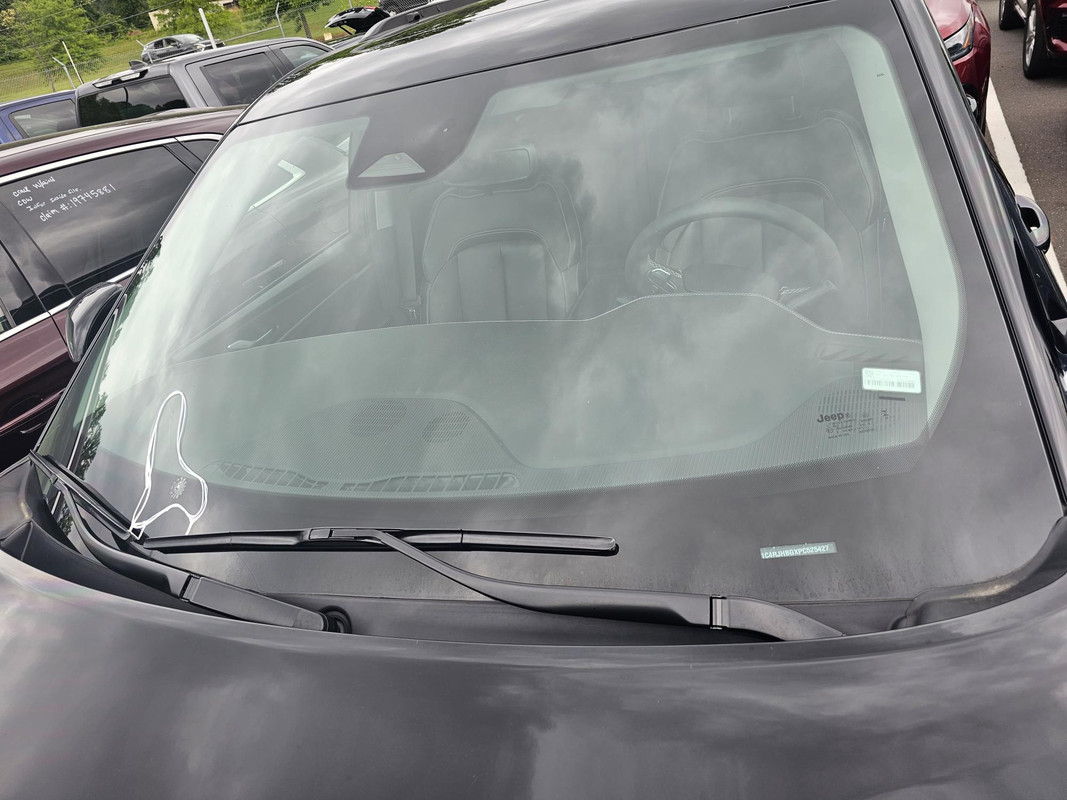
For windshield replacement, insurers often push economic system alternatives. If your car has a head-up show, acoustic glass, or in depth ADAS, a mismatched windshield can trigger habitual calibration disorders. The adhesive will maintain, but the formulation performance may just frustrate you. Balance can charge with functionality.
A temporary, sensible checklist for making a choice on a shop
- Ask which urethane device they use and the recounted protected power-away time to your estimated weather Confirm they trim to a full-lower strategy and in basic terms expose naked steel if rust calls for repair Watch for primer use on any paint nicks and activator on the glass frit, with acceptable flash times If your automotive has ADAS, ask approximately calibration methods and equipment Expect clear suggestions about therapy time, door-slamming, and tape removal
Common pitfalls and how professionals keep them
One lure is over-cleansing. Excess solvent on the frit can leave residues that intrude with adhesion. The perfect go is the corporation’s cleanser, a single-route wipe, and a recent towel aspect for ultimate passes. Another mistake is touching the frit after activation. Skin oils undo the chemistry. You will see professional techs cradle the glass at the sides, by no means pressing arms into the bond quarter.
Contaminated pinch welds motive fish-eyes inside the bead. Body department stores typically leave silicone or sprucing compounds in the back of. A brief verify is a water holiday examine: if water beads on the paint, anything is at the floor. Clean until eventually the water sheets. Then most suitable.
Rushing glass placement after laying the bead can cause stringing, wherein the bead pulls off into thin threads. That creates voids. The repair is timing and a glossy, single action set through suction cups and alignment marks. If a bead is compromised, lifting and relaying is improved than hoping the void fills for the time of treatment. It will no longer.
What possible do as a auto owner
Turn up on time with a easy automobile. Dust and grit swirl in the cabin and fall into the bond vicinity when the historic glass comes out. If you will have aftermarket sprint cures loaded with silicone, tell the shop. They can mask parts and use more competitive decontamination.
Plan your day so the car can take a seat for the suggested time. If your schedule is tight, ask for an early slot or a heated bay. Crack a window a quarter inch on the 1st power to ease cabin stress. Avoid automatic motor vehicle washes and high-power wands aimed at the sides for some days. Let the adhesive mature.
If you pay attention wind noise, do no longer wait a month. Return to the store. A small gap could be sealed with a appropriate urethane or resolved lower than warranty prior to dust and water complicate matters.
Where the chemistry is heading
Manufacturers are pushing towards sooner riskless pressure-away instances with no sacrificing gold standard power. That method smarter catalysts and moisture scavengers that stabilize the product in the tube but react right now whilst uncovered. Some tactics blend silane-terminated polymers that treatment without isocyanates, aiming at better shelf existence and more secure handling. These hybrids can suit many properties of urethanes when reducing sensitivity to moisture all the way through garage.
There may be growing focus on recyclability and repairability. Glass providers and adhesive makers are experimenting with primers that ease long run removing with no compromising modern-day power, cutting the likelihood of paint hurt throughout the subsequent car glass substitute.
ADAS integration continues raising the bar. Expect tighter tolerances on bead geometry in provider techniques, more use of spacer tapes or integrated stands on glass to regulate set top, and adhesive archives tied in an instant into calibration utility to modify routines depending on therapy popularity.
The quiet partnership that retains you safe
Walk round a parking lot and every windshield you spot is held in through a ribbon of chemistry not anyone notices. When you need a windshield replacement, that ribbon takes core stage. The precise urethane, matched to the climate and the automobile, laid on a clear, primed floor, and given time to remedy, turns a sheet of glass right into a structural portion. Get those small print precise and the windshield disappears out of your intellect once again, that is exactly how defense have to think.